How to Connect Epson Projector to Laptop Without Using HDMI Cable

In today’s digital world, the ability to project your laptop screen onto a big display is a real game-changer—whether you’re giving a presentation, watching movies, or sharing photos with friends. Most people assume they need an HDMI cable to make this happen, but what if you don’t have one or want a cleaner setup? Don’t worry! There are several simple and effective ways to connect your Epson projector to your laptop without using an HDMI cable. Let’s explore those options together.
How to Connect Epson Projector to Laptop Without Using HDMI Cable
1. Use Wireless Casting with Miracast or Epson’s Wireless Dongle
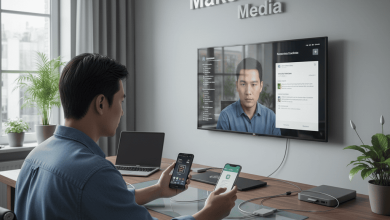
Many Epson projectors are equipped with built-in wireless functionality or can be upgraded with a wireless dongle. This feature allows you to mirror your laptop screen wirelessly, removing the need for any physical cables.
How it works:
- Ensure your Epson projector supports Miracast or has a built-in Wi-Fi connection.
- Connect the projector to the same Wi-Fi network as your laptop.
- On your laptop, go to display settings and select “Connect to a wireless display” (Windows) or use screen mirroring options on your Mac.
- Select your projector from the available devices, and in seconds, your screen will be on the big screen.
Benefits:
- Eliminates clutter of cables.
- Easy to set up and move around.
- Great for quick presentations or casual viewing.
2. Use a Wireless HDMI Transmitter
A wireless HDMI transmitter can send high-definition video signals from your laptop to your projector without any wires. These devices usually consist of a transmitter plugged into your laptop and a receiver connected to the projector’s HDMI port (or through an adapter if needed).
How it works:
- Plug the transmitter into your laptop’s HDMI, USB-C, or DisplayPort (using an adapter if required).
- Connect the receiver to your Epson projector’s HDMI port.
- Pair the devices, and your display appears on the projector wirelessly.
Benefits:
- Supports high-quality video and audio.
- Works over longer distances than Wi-Fi-only solutions.
- Ideal for larger venues or multiple screens.
3. Use a VGA or USB-C Connection
If your laptop and Epson projector support alternative ports, you can connect them using a VGA or USB-C cable, which can sometimes be more reliable than wireless options.
VGA Connection:
- Find a VGA cable and connect it from your laptop’s VGA port to the projector’s VGA input.
- Adjust your display settings to mirror or extend your screen.
USB-C to HDMI or VGA:
- Many modern laptops feature USB-C ports that support video output.
- Use a USB-C to HDMI or VGA adapter to connect your laptop to the projector.
Benefits:
- Reliable and stable connection.
- No need for an internet connection.
- Suitable for older projectors with VGA ports.
4. Use a Streaming Device: Chromecast or Similar
Devices like Google Chromecast can cast your laptop screen directly to your Epson projector when connected to a power source and set to screen-mirroring mode.
How it works:
- Connect the Chromecast to the projector’s HDMI port.
- Make sure your laptop and Chromecast are on the same Wi-Fi network.
- Use the Chrome browser or the Google Home app to start casting your screen.
Benefits:
- Portable and compatible with many devices.
- Useful if you frequently need wireless connection options.
Tips for a Smooth Connection:
- Keep your laptop and projector firmware up to date.
- Be aware of signal interference if using wireless options.
- Use quality adapters and cables to avoid connectivity issues.
- Adjust display settings on your laptop for the best resolution and aspect ratio.
Final Thoughts
Connecting an Epson projector to your laptop without an HDMI cable is neither complicated nor expensive. Whether you prefer wireless solutions like Miracast and streaming devices or rely on traditional ports with VGA or USB-C adapters, there’s an option for everyone. These methods keep your workspace neat, reduce setup time, and enhance your overall experience—making your shared moments, work presentations, or movie nights smoother and more enjoyable.
So, next time you’re ready to project, remember these alternative ways to connect. With a little patience and the right tools, your big-screen experience is just a few clicks away!